
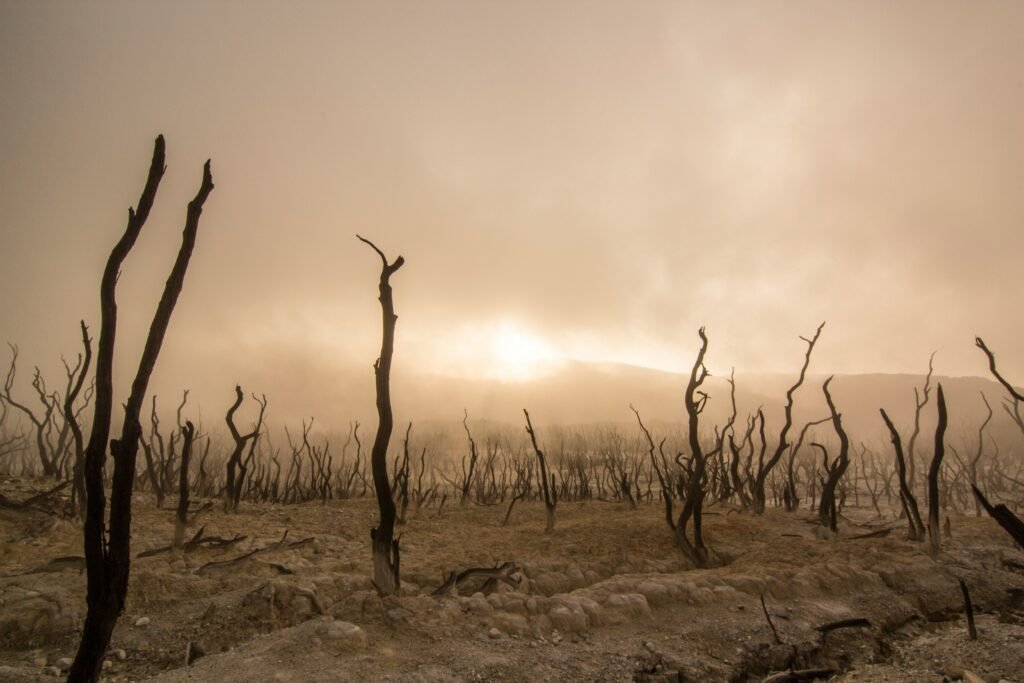
The year 2026 has already become one of the most remarkable years for extreme weather in modern history. From record-breaking heatwaves in Europe to devastating floods in Asia, millions of people around the world have experienced the consequences of unusual weather conditions. According to the World Meteorological Organization (WMO), 2026 is expected to rank among the four warmest years ever recorded. Scientists warn that climate change is making many extreme weather events increasingly dangerous.
Record-breaking temperatures around the world
One of the biggest weather stories of 2026 has been the extraordinary global heat. According to the WMO, the average global temperature between January and September was approximately 1.47 degrees Celsius above pre-industrial levels.
Europe experienced one of its hottest summers in recorded history. Western Europe recorded its warmest summer ever, with several countries experiencing prolonged heatwaves and unusually high temperatures.
The extreme heat caused serious health problems, increased the risk of wildfires and placed additional pressure on water supplies and electricity systems.
South Asia was also heavily affected. Parts of India and Pakistan experienced temperatures above 45 degrees Celsius. In some areas of Pakistan, temperatures reached approximately 52 degrees. These conditions created dangerous situations for millions of people, particularly outdoor workers, elderly residents and children.
Devastating floods in Asia
While heatwaves dominated headlines, flooding was another major weather disaster in 2026.
On August 26, a catastrophic event occurred in the Himalayan region near the border between Nepal and Tibet. A massive collapse of glacier ice and rock triggered a devastating flood that swept through mountain communities.
Entire villages were destroyed, houses were buried under mud and debris, and thousands of people were affected. International reports indicated that more than 1,000 people lost their lives, while thousands more were reported missing or displaced.
Other parts of Asia also experienced severe flooding. Heavy rainfall affected countries including India, Nepal and Thailand, forcing thousands of residents to leave their homes.
Wildfires and drought across Europe
Extreme temperatures and prolonged dry conditions created ideal circumstances for wildfires.
Spain and France were among the European countries most seriously affected. Large areas of forest were destroyed, while communities were forced to evacuate as fires spread dangerously close to residential areas.
Drought also became a major concern. Several European rivers experienced exceptionally low water levels, creating difficulties for agriculture, transportation, and energy production.
Powerful storms and tropical cyclones
Storms were another important part of the global weather picture in 2026.
In April, Super Typhoon Sinlaku struck parts of the western Pacific. At its strongest, the storm reached wind speeds of approximately 295 kilometres per hour, causing widespread destruction and power outages.
More recently, Storm Charles brought heavy rainfall and strong winds to Portugal, Spain and southern France in November. Airports experienced flight cancellations, roads were flooded, and several regions issued severe weather warnings.
The influence of El Niño
Scientists have also been monitoring a particularly strong El Niño event developing during 2026. This natural climate phenomenon warms parts of the Pacific Ocean and can influence weather patterns across the world.
The WMO expects El Niño to contribute to further global warming and potentially increase the risk of extreme weather events into 2027.
What does the future hold?
The weather events of 2026 demonstrate how vulnerable communities have become to extreme temperatures, flooding, drought and powerful storms.
Scientists continue to emphasise the importance of reducing greenhouse gas emissions, improving weather forecasting and investing in disaster preparedness.
Although 2026 is not over yet, the events so far have delivered a clear warning: extreme weather is becoming an increasingly serious global challenge, and governments must prepare for what comes next.